Mastering Precision: A Guide to Using Half Floral Mandala Laser Cut SVG Files
In the evolving landscape of digital fabrication, the intersection of artistic complexity and mechanical precision defines high-quality output. For creators working with laser cutters, CNC routers, and vinyl plotters, the source file is not merely a container for data; it is the blueprint that determines the success or failure of a project. Among the most sought-after designs in this domain is the Half Floral Mandala Laser Cut SVG. This specific geometric pattern offers a unique blend of symmetry and organic flow, challenging both the capabilities of the machine and the skill of the operator. Understanding how to leverage a premium quality laser cutting design file set is essential for professionals and hobbyists alike who aim to produce intricate, clean, and durable results.
The Anatomy of a Premium Vector Design
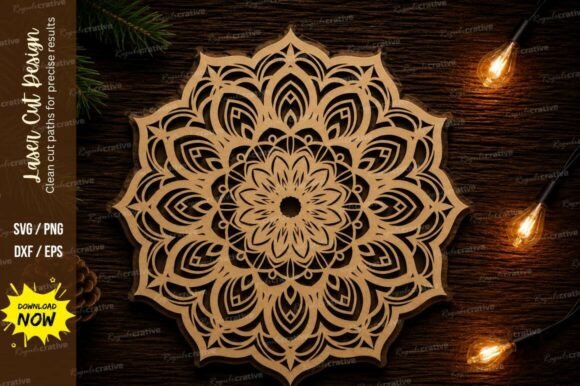
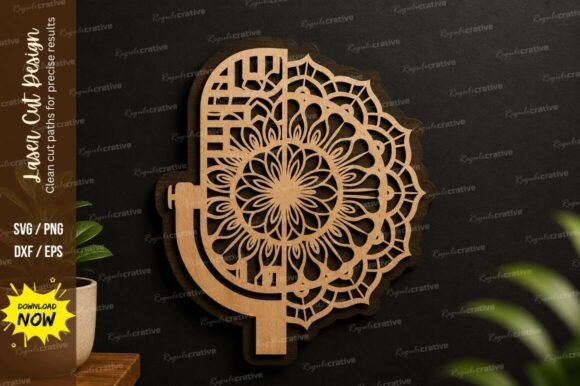
A mandala, by definition, represents unity and completeness, often characterized by radial balance. When adapted into a "half" format, the design becomes exceptionally versatile for edge-mounted applications, such as wall art, furniture inlays, or greeting cards. However, the aesthetic appeal is secondary to the technical integrity of the file. A premium design file set is engineered to minimize machine error. This begins with the vector paths. In a high-quality Half Floral Mandala Laser Cut SVG, every curve and intersection is optimized to prevent redundant cuts and ensure smooth head movement.
Clean vector design is critical because laser cutters interpret paths as physical movements. Poorly constructed vectors may contain overlapping lines, open nodes, or excessive anchor points. These errors can cause the laser head to pause, stutter, or burn the material unnecessarily. By utilizing a file that has been meticulously prepared for smooth and precise cutting, users eliminate these variables. The result is a cut that requires minimal post-processing, preserving the delicate details of the floral motifs without charring or breakage.
Format Versatility and Software Compatibility
One of the most significant advantages of a comprehensive design package is the inclusion of multiple file formats. Different software ecosystems and hardware controllers require specific data structures. A robust package typically includes SVG, EPS, PNG, DXF, and PDF files. Each format serves a distinct purpose in the workflow of a creator.
- SVG (Scalable Vector Graphics): This is the industry standard for web-based design tools and many modern laser software interfaces. It retains scalability without loss of quality, making it ideal for resizing the mandala to fit various project dimensions.
- EPS (Encapsulated PostScript): Preferred by professional graphic designers using Adobe Illustrator or CorelDRAW, EPS files ensure that complex curves and color information are preserved during editing.
- DXF (Drawing Exchange Format): This format is crucial for users operating industrial-grade CNC machines or older laser controllers that rely on CAD-based inputs. It provides precise geometric data compatible with AutoCAD and similar platforms.
- PDF (Portable Document Format): Often used for quick previews or printing prototypes on paper before committing to expensive materials like acrylic or wood.
- PNG (Portable Network Graphics): While not a vector format, high-resolution PNGs are useful for visual references, sublimation printing, or as overlay guides in mixed-media projects.
This multi-format approach ensures that the Half Floral Mandala Laser Cut SVG is accessible to a broad audience, from educators teaching digital fabrication to business owners running large-scale production lines. Compatibility with most laser CNC machines means that users do not need to invest in costly conversion software, streamlining the transition from concept to creation.
Material Considerations and Application Strategies
The versatility of a laser-cut mandala extends beyond the digital realm into the physical properties of the materials used. The design’s intricate nature makes it suitable for a wide range of substrates, including wood, acrylic, metal, and paper. However, each material interacts differently with the laser beam, requiring adjustments in power, speed, and frequency.
Wood and Plywood
When cutting floral mandalas from wood, the grain direction plays a pivotal role. Birch plywood is a popular choice due to its uniform layers and lack of voids, which allows for consistent cutting through the delicate petals of the mandala. The organic warmth of wood complements the natural motifs of the design. For best results, users should perform test cuts to determine the optimal focus height, ensuring that the fine details do not burn excessively.
Acrylic and Polymers
Acrylic offers a stark contrast to wood, providing a sleek, modern aesthetic. Cast acrylic tends to yield cleaner edges than extruded acrylic when laser cut. The Half Floral Mandala design looks particularly striking when backlit, transforming the cutouts into a luminous display. Because acrylic melts rather than burns, the precision of the vector file is paramount; any jagged edges in the digital file will be replicated in the melted plastic.
Paper and Cardstock
For papercraft enthusiasts, the mandala design offers an intricate alternative to traditional die-cutting. High-quality cardstock or heavy-weight paper can be cut rapidly using lower power settings. This application is perfect for creating layered shadow boxes, wedding invitations, or decorative lanterns. The ease of resizing the vector file allows creators to scale the design from small coaster-sized pieces to large wall hangings without losing sharpness.
Workflow Efficiency and Instant Usability
Time is a valuable resource for any creator. The promise of an instant download easy-to-use package significantly reduces the barrier to entry. Instead of spending hours designing complex geometric patterns from scratch, users can focus on the execution and customization of their projects. A pre-prepared Half Floral Mandala Laser Cut SVG allows for immediate integration into existing workflows.
For educators, this efficiency means more time can be spent teaching students about material science and machine operation rather than troubleshooting file errors. For business owners, it enables rapid prototyping and faster turnaround times for custom orders. The ability to easily resize without losing quality ensures that the same file can be used for a variety of products, maximizing the return on investment for the digital asset.
Enhancing Projects with Layering and Finishing
While the cut itself is the primary function of the file, the final aesthetic is often achieved through post-processing and assembly. The half-mandala design lends itself beautifully to layering techniques. By cutting multiple layers of contrasting materials—such as a dark wood base with a lighter acrylic overlay—creators can add depth and dimension to the piece. This technique highlights the intricacy of the floral elements and creates a sophisticated visual impact.
Finishing techniques also play a role in the final outcome. Sanding wooden edges removes char marks, while polishing acrylic edges restores clarity. In some cases, painting or staining the cut pieces before assembly can accentuate specific parts of the mandala, drawing the eye to the center or the outer floral rings. These creative decisions are supported by the reliability of the initial cut; a clean, precise cut provides a solid foundation for any finishing method.
The Role of Precision in Professional Fabrication
In professional settings, consistency is key. A premium quality laser cutting design file set ensures that every iteration of the Half Floral Mandala is identical. This repeatability is essential for businesses producing batch orders or standardized products. The clean vector paths reduce wear and tear on the laser machine by minimizing unnecessary movements and pauses. Furthermore, the compatibility with various software platforms allows teams to collaborate seamlessly, regardless of their preferred design tools.
For researchers and developers in the field of digital fabrication, studying the performance of complex vectors like mandalas provides insights into machine limitations and material behaviors. The data derived from cutting such intricate designs can inform future improvements in laser technology and software algorithms. Thus, the utility of these files extends beyond mere decoration, contributing to the broader understanding of manufacturing processes.
Ultimately, the value of a Half Floral Mandala Laser Cut SVG lies in its ability to bridge the gap between artistic vision and technical execution. By providing a reliable, high-quality, and versatile digital asset, creators can push the boundaries of their craft, producing work that is both visually stunning and technically proficient. Whether for a personal hobby, an educational tool, or a commercial product, the right design file empowers users to achieve professional results with confidence and ease.